
I have to tell you about a recipe that has truly transformed my approach to plant-based cooking: The Best Vegan Beef (Seitan Recipe) Recipe. This dish is my go-to whenever I'm craving that rich, meaty texture without compromising my vegan lifestyle. Crafted from simple ingredients but packed with bold flavors, making this seitan feels like creating a magic transformation in your kitchen. It's hearty, versatile, and honestly, one of the most satisfying vegan "beef" options I've ever tasted. Once you try this, I guarantee it'll become a staple in your recipe collection, just as it has for me.
Why You'll Love This The Best Vegan Beef (Seitan Recipe) Recipe
What really draws me to this recipe is the incredible depth of flavor and satisfying texture it delivers. Unlike other vegan proteins that sometimes feel mushy or bland, this seitan has a robust, chewy bite that perfectly mimics beef. The combination of spices like smoked paprika, garlic, and onion powder along with nutritional yeast and a touch of molasses gives each bite a savory, slightly smoky sweetness that I find irresistible.
Another thing I love about The Best Vegan Beef (Seitan Recipe) Recipe is how straightforward it is to prepare. Despite feeling like you’re making something gourmet, the steps are simple, and the ingredients are ones I always have on hand or can easily find. This makes it perfect for family dinners, holiday meals, or even prepping for a week of hearty lunches. Plus, the baking method creates a beautifully caramelized exterior that makes the dish stand out on any plate.
Ingredients You'll Need
The ingredients in this recipe are incredibly simple yet essential for achieving that authentic “beefy” seitan experience. Each component plays a specific role, from providing structure to adding layers of flavor and color. I love how these straightforward pantry staples come together into something truly extraordinary.
- Vital wheat gluten: The cornerstone of seitan, providing the chewy, elastic texture that mimics beef perfectly.
- Brown rice flour: Adds a bit of softness and texture contrast, and you can swap it with whole wheat flour if you'd like.
- Garlic powder: Brings a robust, savory aroma that enhances the “meaty” profile.
- Nutritional yeast: Imparts a subtle umami flavor that’s crucial for deepening the taste.
- Smoked paprika: Adds a smoky kick reminiscent of grilled beef, elevating the flavor complexity.
- Onion powder: Works alongside garlic powder to add fragrant warmth.
- Ground mustard (optional): Lends a subtle tanginess that brightens the overall flavor.
- Black pepper: For a mild spicy undertone that wakes up your palate.
- Canned chickpeas: Finely minced to add moisture and a bit of binding texture.
- Minced yellow onion: Fresh, finely chopped onion helps keep the flavor vibrant.
- Low-sodium soy sauce: Brings salty depth and umami richness to the dough and marinade.
- Yellow mustard: Adds tang and slight sharpness, balancing the sweetness.
- Extra virgin olive oil: Adds moisture and luscious mouthfeel to the seitan.
- Unsulphured molasses: A secret weapon for deep, rich sweetness that ups the caramelization.
- Vegetable stock: Keeps the seitan moist and flavorful during mixing and baking.
- Brown sugar: Helps with the caramelization during baking, giving the seitan a beautiful browned crust.
Directions
Step 1: Begin by preheating your oven to 375 degrees Fahrenheit and oiling a 9x13 inch baking dish with 1 to 2 tablespoons of extra virgin olive oil. This will prevent sticking and help with browning later.
Step 2: In a large mixing bowl, whisk together the vital wheat gluten, brown rice flour, garlic powder, nutritional yeast, smoked paprika, onion powder, ground mustard (if using), and black pepper until well combined.
Step 3: Next, finely mince the canned chickpeas and yellow onion. I find a food processor is easiest here to get that perfect texture without turning it into a puree — you want some little chunks remaining for texture.
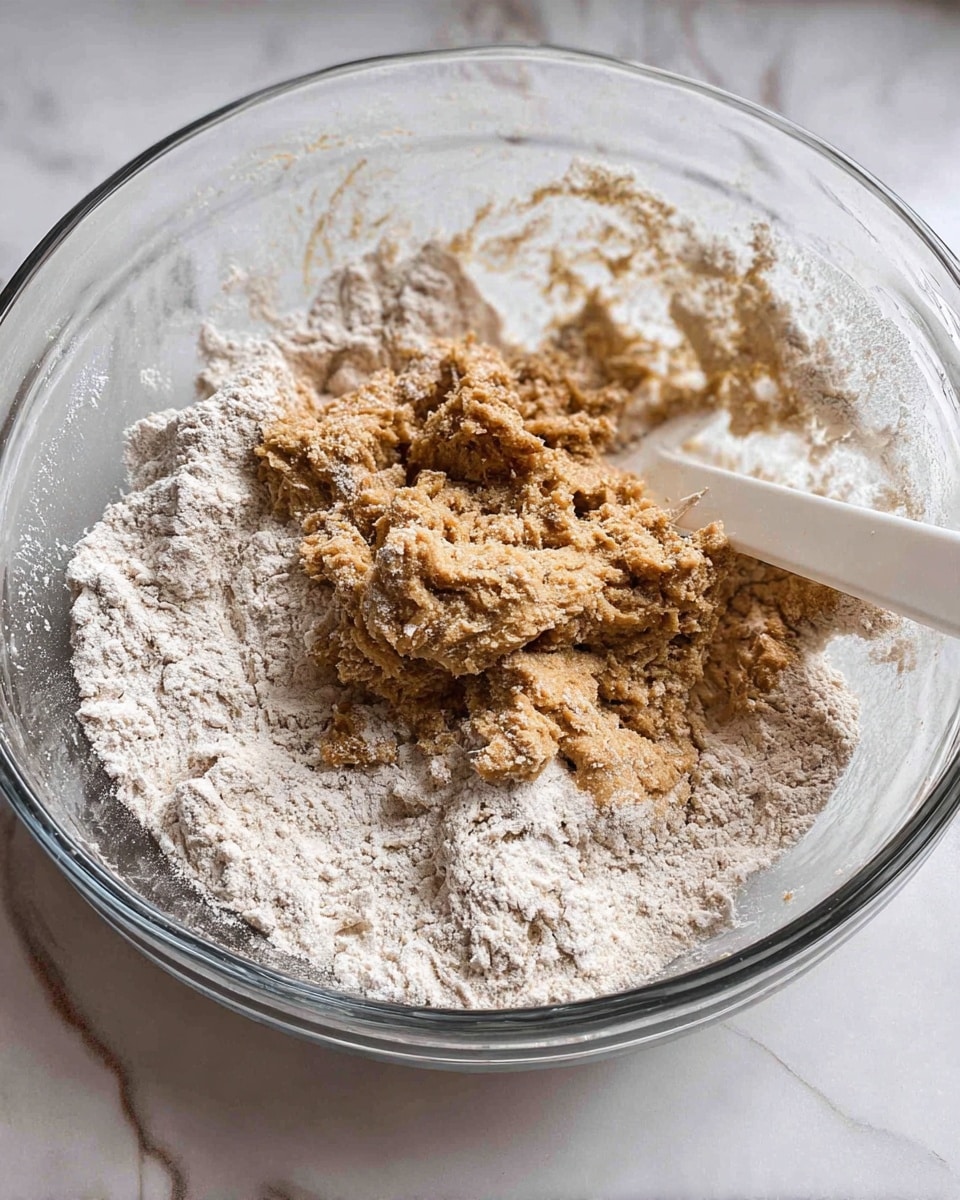
Step 4: Make a well in the center of your dry ingredients and add the minced chickpeas, onions, soy sauce, yellow mustard, olive oil, molasses, and ¾ cup of vegetable stock. Stir everything together with a wooden spoon or spatula until it forms a rough dough.
Step 5: If the dough feels too dry, add the remaining 1 to 2 tablespoons of vegetable stock, one tablespoon at a time. Transfer the mixture to a lightly floured surface dusted with brown rice flour and knead gently for about 30 seconds until the dough feels elastic but not sticky. Be careful not to over-knead — you want it firm but tender.
Step 6: Divide the dough into 4 equal portions. Shape each piece into a rectangular loaf or log shape to prepare for baking.
Step 7: Cut your seitan logs into cubes about 1 inch in size or strips approximately ½ inch wide by 2 to 3 inches long, depending on your preference for presentation.
Step 8: Arrange the cubes or strips in the oiled baking dish in a single layer, making sure each piece is coated lightly with olive oil for even browning. You may need to use two baking dishes if necessary.
Step 9: Whisk together the marinade ingredients: vegan soy sauce, molasses, low-sodium soy sauce, extra virgin olive oil, and brown sugar. Reserve 1 to 2 tablespoons of the marinade before pouring the rest evenly over the seitan. Toss gently to coat.
Step 10: Bake the seitan for 20 minutes. Halfway through baking, flip the pieces to ensure even caramelization. You’ll notice the color deepening and the aroma becoming irresistibly savory.
Step 11: After 20 minutes, drizzle the reserved marinade over the seitan and stir gently. Return to the oven for another 5 to 10 minutes or until the edges have a beautiful caramelized brown color. Remember, the seitan will be somewhat soft coming out of the oven but will firm up as it cools, developing that perfect chew.
Step 12: Remove the seitan from the oven and coat with your favorite plant-based sauce or serve as is in your favorite dishes. Enjoy the fruits of your labor!
Servings and Timing
This recipe makes about 6 generous servings, perfect for a family meal or meal prepping for the week. Prep time is roughly 15 minutes, including chopping and mixing, but kneading only takes 30 seconds. Baking time totals about 30 minutes with the flipping and final caramelizing step included. In total, you’re looking at around 1 hour and 5 minutes from start to finish. No additional resting time is required, but I like to let it cool for a few minutes to develop the best texture before slicing or serving.
How to Serve This The Best Vegan Beef (Seitan Recipe) Recipe

I love serving this seitan hot or warm, as it really lets those rich, savory flavors shine. It pairs beautifully with roasted vegetables, mashed potatoes, or a vibrant grain salad like quinoa or farro for a hearty, balanced meal. In fact, I've often added it to vegan stews or stroganoff-style dishes where it soaks up sauces beautifully while still holding its texture.
Presentation-wise, I like to sprinkle a little fresh parsley or chopped green onions on top for a pop of color and freshness. For a festive dinner, serving alongside a glass of sparkling ginger ale or hibiscus iced tea makes a refreshing palate cleanser.
This recipe is so versatile and impressive that it works wonderfully for weeknight dinners, holiday gatherings, or even casual parties where you want to wow guests with a delicious vegan option that everyone will love. Portion sizes of about 1 cup or 4 to 5 pieces per serving usually feel just right, making sure no one leaves the table hungry!
Variations
I love customizing this recipe to suit different tastes and dietary needs. For example, if you want a gluten-free version, you’d need to substitute with something other than vital wheat gluten, such as chickpea flour-based seitan alternatives, though texture might differ. Alternatively, you could experiment with tofu or tempeh marinated in the same seasoning blend for a different but just as delicious “beefy” experience.
Flavor-wise, you can get creative by adding a splash of liquid smoke for extra smokiness or swapping molasses for maple syrup or agave for a different kind of sweetness. Sometimes I add a touch of cayenne pepper or chili flakes to bring in a subtle spicy kick that livens up the flavor profile, especially if serving in tacos or stir-fries.
For cooking methods, if you prefer not to bake, gently steaming the seitan before pan-frying works well too. This method creates a slightly softer texture but still delivers that chewy “beefy” bite. You could also slice it thinner and sauté with vegetables for a quick stir-fry that's bursting with flavor and texture!
Storage and Reheating
Storing Leftovers
I store leftover seitan in an airtight container in the refrigerator, where it keeps beautifully for up to 5 days. Make sure it’s cooled to room temperature before sealing to avoid condensation, which can affect texture. This recipe reheats well, so leftovers stay delicious and ready for quick meals.
Freezing
This vegan beef freezes exceptionally well. I like to portion it into airtight freezer bags or containers, separating individual servings to make thawing easier. It keeps well in the freezer for up to 3 months. When you’re ready to use it, defrost in the fridge overnight for the best results.
Reheating
For reheating, I recommend gently pan-frying the seitan with a splash of water or vegetable broth to keep it moist and revive that lovely caramelized exterior. Microwaving is a quick option but can sometimes dry it out, so covering it with a damp paper towel helps retain moisture. Avoid reheating at very high heat as this can toughen the seitan.
FAQs
Can I make this seitan recipe gluten-free?
Unfortunately, traditional seitan relies on vital wheat gluten for its chewy texture, so it’s not gluten-free by nature. However, you could try chickpea flour or other legume-based alternatives, but keep in mind the texture and flavor will be different. For a gluten-free “beef” alternative, consider marinated tofu or tempeh instead.
How long does the seitan need to rest before baking?
This recipe doesn’t require any resting time before baking. After kneading, you can shape and marinate the seitan immediately. That said, letting the dough rest for 10-15 minutes can sometimes help relax the gluten if you have the time, but it’s not essential.
Can I cook the seitan on the stovetop instead of baking?
Absolutely! You can steam the seitan logs for about 40-50 minutes and then sauté or pan-fry slices to caramelize the outside. Baking helps develop a slightly firmer, caramelized crust, but steaming preserves moisture and creates a softer texture. Both methods work well depending on your preference.
Is it necessary to use nutritional yeast in this recipe?
Nutritional yeast is key for adding umami depth and a slight “cheesy” savoriness that enhances the overall flavor of the seitan. While you could omit it if needed, I suggest keeping it for the best taste experience or substituting with a vegetarian-friendly mushroom powder or miso paste.
How do I make the seitan more flavorful?
My favorite trick is to marinate the seitan not just before baking but also after cooking. Adding a flavorful sauce like barbecue, teriyaki, or mushroom gravy amplifies the taste. Also, don’t skimp on the spices in the dough and marinade—they build those complex flavors that make this recipe the best vegan beef seitan you’ll find!
Conclusion
I truly hope you give The Best Vegan Beef (Seitan Recipe) Recipe a try because it’s been such a game-changer for me. The texture, flavor, and versatility make it something I’m excited to share with friends and family again and again. Whether it’s for a cozy night in or a festive celebration, this recipe will bring that satisfying savory goodness we all crave, completely plant-based. Happy cooking and enjoy every delicious bite!
PrintThe Best Vegan Beef (Seitan Recipe) Recipe

This vegan beef seitan recipe creates a delicious, chewy, and flavorful plant-based protein perfect for vegan and vegetarian dishes. Made primarily with vital wheat gluten and a blend of spices, chickpeas, and soy sauce, this seitan is marinated and baked to develop a rich texture and deep flavor. Ideal as a substitute in any recipe calling for beef, this dish offers a healthy, homemade alternative packed with umami and spice.
- Prep Time: 20 minutes
- Cook Time: 30 minutes
- Total Time: 50 minutes
- Yield: 6 servings
- Category: Main Dish
- Method: Baking
- Cuisine: Vegan, Plant-based
- Diet: Vegan
Ingredients
Dry Ingredients
- 1 ¾ cup vital wheat gluten (210g, spooned into the cup and leveled)
- ¼ cup brown rice flour (30g, or substitute ¼ cup whole wheat flour)
- 2 tsp garlic powder (5g)
- 2 tbsp nutritional yeast (10g)
- ½ tsp smoked paprika (1g)
- ½ tsp onion powder (1g)
- ¼ tsp ground mustard (1g, optional)
- ¼ tsp black pepper
Wet Ingredients for Dough
- ⅓ cup drained canned chickpeas (60g)
- ¼ cup minced yellow onion (40g)
- 3 tbsp low-sodium soy sauce (38g, or substitute more vegetable broth)
- 1 tsp yellow mustard (5g)
- 1 tbsp extra virgin olive oil (8g)
- 1 tbsp vegan soy sauce (8g)
- 2 tsp unsulphured molasses (10g, or substitute more soy sauce)
- ¾ cup + 1-2 tablespoon vegetable stock (divided, or substitute water for lower sodium)
Marinade Ingredients
- 1 tbsp vegan soy sauce
- 1 tsp unsulphured molasses
- 4 tbsp low sodium soy sauce
- 2 tbsp extra virgin olive oil
- 1 tbsp brown sugar
Instructions
- Combine dry ingredients: In a large bowl, stir together the vital wheat gluten, brown rice flour, garlic powder, nutritional yeast, smoked paprika, onion powder, ground mustard (if using), and black pepper until well mixed.
- Prepare chickpeas and onions: Finely mince the drained canned chickpeas and yellow onion by hand or pulse them in a food processor or high-speed blender just until finely chopped with some texture remaining—not a paste.
- Add wet ingredients to dry mixture: Make a well in the center of the dry ingredients. Add the minced chickpeas, onions, low-sodium soy sauce, yellow mustard, olive oil, vegan soy sauce, molasses, and ¾ cup of vegetable stock or water. Stir to combine, forming a crumbly dough that looks slightly dry. Add the remaining 1-2 tablespoons of stock one tablespoon at a time as needed to create a moist but firm dough.
- Knead the dough: Lightly flour a work surface with brown rice flour and transfer the dough onto it. Gently knead the dough for about 30 seconds until it feels elastic and no longer sticky. Avoid over-kneading as it can make the seitan tough.
- Shape the dough: Divide the dough evenly into 4 pieces. Shape each piece into a rectangular loaf or log.
- Preheat the oven and prepare baking dish: Preheat your oven to 375°F (190°C). Lightly oil a 9x13-inch baking dish with 1-2 tablespoons of olive oil.
- Cut and arrange seitan pieces: Cut each loaf into 1-inch cubes or into strips approximately ½ inch wide and 2-3 inches long. Arrange the pieces in a single layer in the oiled baking dish(s), making sure they do not overlap. Coat all sides with a bit more olive oil if needed.
- Mix marinade: In a separate bowl, mix together 1 tablespoon vegan soy sauce, 1 teaspoon molasses, 4 tablespoons low sodium soy sauce, 2 tablespoons extra virgin olive oil, and 1 tablespoon brown sugar. Set aside 1-2 tablespoons of this marinade for later use.
- Marinate seitan: Pour the remaining marinade over the seitan pieces in the baking dish. Toss gently to ensure all pieces are evenly coated.
- Bake first stage: Place the dish(es) in the preheated oven and bake for 20 minutes. Flip the seitan pieces halfway through to promote even cooking and browning. The seitan should begin to darken in color at this stage.
- Apply reserved marinade and finish baking: After the initial 20 minutes, drizzle the reserved 1-2 tablespoons of marinade over the seitan. Stir to coat evenly, then bake for another 5-10 minutes. The seitan should appear caramelized and browned. It may feel soft but will firm up as it cools.
- Serve and enjoy: Remove the seitan from the oven and allow it to cool slightly. Coat with your favorite sauce as desired and use it as a versatile plant-based beef substitute in various dishes.
Notes
- Ensure not to over-knead the dough to avoid a tough seitan texture.
- You can substitute whole wheat flour for brown rice flour if preferred.
- For lower sodium, substitute some or all vegetable stock with water and adjust soy sauce quantities accordingly.
- This seitan works well in stir-fries, sandwiches, stews, and more as a beef alternative.
- Store leftovers in an airtight container in the refrigerator for up to 5 days or freeze for longer storage.
- Use unsulphured molasses for best flavor; it adds a subtle sweetness and depth.
- If you don’t have a food processor, finely chopping chickpeas and onions by hand is fine but requires more effort.


Leave a Reply